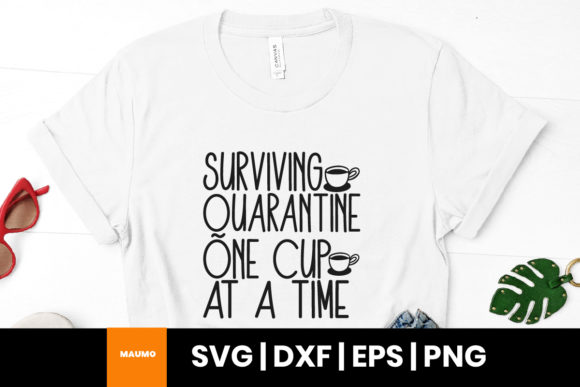
Surviving Quarantine One Cup at a Time
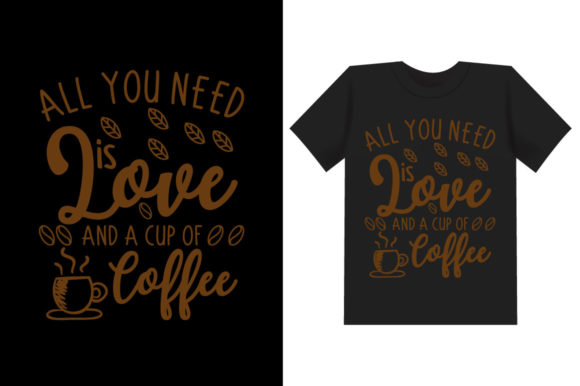
As an embroidery designer and product reviewer, I’ve seen my fair share of digital files that promise the world but deliver little in real-world use. Surviving Quarantine One Cup at a Time is one of those designs that feels like it was made with practicality in mind. It’s not just another graphic to slap onto a shirt—it’s a design that invites creativity and has clear potential for a variety of projects.
The First Impression
From the moment I opened the file, I noticed the simplicity and charm of Surviving Quarantine One Cup at a Time. The layout is clean, the theme is relatable, and the visual personality feels warm and approachable. It’s the kind of design that could easily translate into a handmade product or a custom apparel piece without feeling forced or overdesigned.
The shape and composition are straightforward, making it ideal for a range of embroidery applications. Whether it’s a tote bag, a sweatshirt, or a baby onesie, this design has a natural fit. It doesn’t scream for attention, which is a good thing—sometimes less is more, especially when it comes to embroidery that needs to last and remain visually appealing over time.
Real-World Embroidery Use Cases
I tested Surviving Quarantine One Cup at a Time on a few different fabrics and found that it works well on most standard materials. It’s particularly effective on cotton, denim, and light-weight polyester blends. The design isn’t overly complex, so it doesn’t require excessive stitch density, which is great for both personal and commercial projects.
For a custom apparel project, such as a sweatshirt or t-shirt, this design would be perfect. It adds a touch of personality without overwhelming the garment. For a small business owner or Etsy seller, it could be a solid addition to a line of seasonal or themed products. It also has potential as a holiday or gift item, especially around the time of year when people are looking for meaningful, personalized items.
One area where this design really shines is in the realm of embroidered patches. Its simple lines and clear shape make it easy to adapt for applique or satin stitch work. It’s also a good candidate for a tote bag design, where it can serve as a subtle yet impactful statement piece.
Where to Be Cautious
While Surviving Quarantine One Cup at a Time is versatile, there are a few areas where care is needed. If you’re working with small hoop sizes, this design might be too large to fit comfortably. You may need to adjust the size or split the design into sections, depending on your machine’s capabilities.
On textured or stretchy fabrics, the design might not sit as smoothly as it would on a flat, stable material. Thin or dark fabrics could also pose challenges, especially if the thread color doesn’t contrast enough. It’s always a good idea to test the design on scrap fabric before committing to a full project.
For curved surfaces like caps or hats, the design might need some tweaking to ensure it looks balanced. Similarly, if the design includes any tiny lettering or intricate details, those elements could be lost in dense stitch areas or when using certain types of stitches like running stitch or fill stitch.
Impact on Visual Appeal and Product Value
Surviving Quarantine One Cup at a Time has a strong visual appeal that can elevate a handmade product or custom apparel piece. Its clean lines and recognizable theme make it easy to spot and remember, which is important for brand consistency and customer recognition.
In terms of product value, this design offers a good balance between simplicity and character. It’s not so basic that it feels cheap, nor is it so detailed that it becomes impractical. This makes it a solid choice for small shop merchandise or boutique branding efforts.
When used correctly, Surviving Quarantine One Cup at a Time can enhance the professionalism of a finished product. It’s a design that speaks to the current cultural moment, which can be a big plus for Etsy sellers or craft entrepreneurs looking to connect with their audience.
Practical Designer Notes
Before jumping into any embroidery project, I always recommend testing the design on scrap fabric. This helps you see how the stitches will look and whether the design works with your chosen thread colors and stabilizer type.
Check the stitch density to make sure it’s appropriate for the fabric you’re using. If the design is too dense, it might cause puckering or stiffness. On the flip side, if it’s too light, it might not hold up well over time or wash cycles.
Make sure to confirm the hoop size required for the design. If it’s too large for your machine, you may need to resize or simplify parts of the design. Also, take a close look at any small details, especially if they’re part of the text or decorative elements.
Testing the design in black and white mockups can help you see how it will look on different fabric backgrounds. This is especially useful if you plan to use it on both light and dark materials.
Finally, always check the licensing terms before using the design for commercial purposes. Make sure you have the right to sell finished items or digital products based on Surviving Quarantine One Cup at a Time.